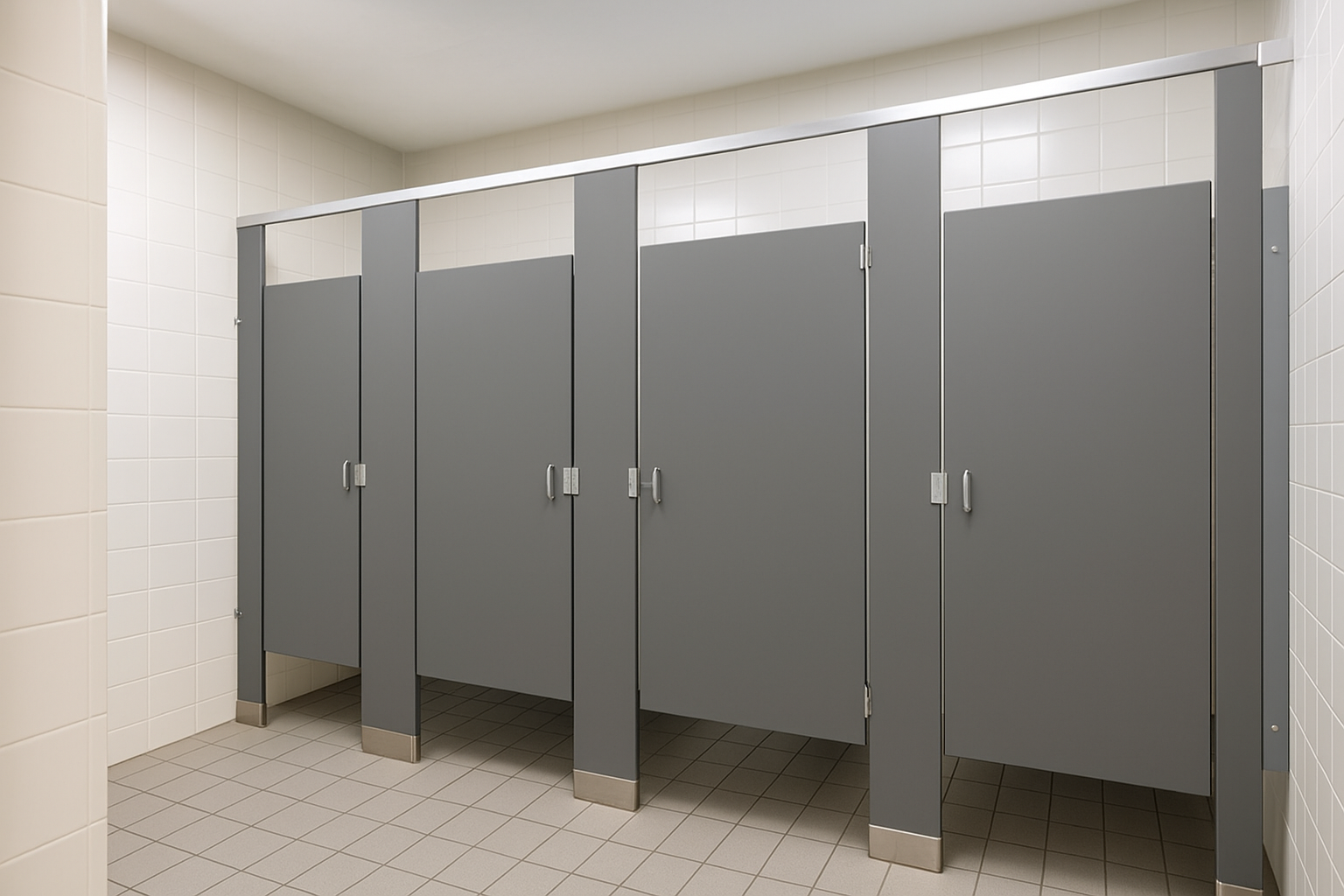
Bathroom Stall: A Complete Guide for Modern Spaces
The bathroom stall is one of the most common fixtures in public and commercial buildings, yet most people never think about it deeply. Facility managers, architects, business owners, and even everyday users rely on stalls without noticing how much planning and design goes into them. When you look closely, you realize that the choice, design, and maintenance of a stall affects privacy, safety, hygiene, traffic flow, and even long term costs.
I have worked with restroom planning and renovation projects where small design decisions led to big differences in user comfort. What seems like a simple enclosure actually involves thoughtful choices about materials, accessibility, layout, hardware, and cleaning practices. This guide brings together real experience and practical insights that help you understand and evaluate bathroom stalls with confidence.
This article covers everything in depth: what bathroom stalls are, how they work, where they are used, the benefits they offer, the challenges facility managers face, and how to make smart decisions when choosing or upgrading them. The goal is to help you make informed choices that align with modern standards and user needs.
Let us break down all key areas clearly and in a people focused way.
What Is a Bathroom Stall
A bathroom stall is a private enclosure within a public or shared restroom that gives users privacy while using the toilet. Most stalls have partition walls, a door, a lock, and basic hardware that supports safe and easy use. While they seem simple, a stall is the center point of most restrooms because it handles the most essential function.
A stall must meet building codes, ventilation standards, accessibility laws, and privacy expectations. These small enclosures are used in malls, offices, schools, airports, gyms, restaurants, hospitals, and industrial sites. Depending on the environment, stall designs differ widely. Some are built for heavy traffic, some for moisture resistance, and some for maximum durability.
My experience shows that different locations create different priorities. High traffic sites need sturdy materials. Premium spaces need better aesthetics. Schools need vandal resistant features. Healthcare settings need easier cleaning. Knowing the purpose of the space helps you choose the right type of stall.
Key Components of a Bathroom Stall
A modern bathroom stall includes several parts that work together. Each part affects privacy, safety, and durability.
1. Partitions
These walls separate one stall from the next. They can be full height or partial height, depending on the building style.
2. Doors
Stall doors usually have gravity hinges or spring hinges that allow them to swing back into a closed position. Good doors feel smooth and secure when operated.
3. Hardware
Common hardware includes hinges, locks, latches, coat hooks, brackets, and shoes. Quality hardware improves performance and reduces long term maintenance.
4. Support Frames
Floor anchored or ceiling hung systems keep the stall stable. Some systems combine both styles.
5. Clearance and Gaps
A well designed stall has minimal gaps around the door to protect privacy. Poorly fitted stalls often create discomfort.
6. Accessibility Features
Accessible stalls include grab bars, wider spaces, lower handles, and correct turning radius for wheelchairs.
Types of Bathroom Stalls
Different buildings have different needs, so manufacturers offer several stall types. This section explains the most common options and where each one works best.
1. Floor Mounted and Overhead Braced
This is the most widely used type. It offers stability and easy installation. The overhead rail keeps everything aligned well. It is ideal for malls, schools and offices.
2. Ceiling Hung
These stalls create a clean open floor look because they have no floor supports. They make cleaning easier. They work well in upscale restrooms but need strong ceiling support.
3. Floor to Ceiling
This design is the strongest and most stable. It supports heavy use and is good for high traffic locations. Many airports and stadiums use this style.
4. Full Privacy Stalls
These stalls extend very close to the floor and much higher toward the ceiling. They reduce sight lines and create a more private experience. Many modern facilities choose them.
5. Accessible Stalls
These must meet accessibility standards. They offer wide doors, extra space, grab bars, and easy maneuvering.
Materials Used in Bathroom Stalls
Choosing the right material is one of the most important decisions. Each material has different durability, moisture resistance, and maintenance needs.
1. Powder Coated Steel
This option is budget friendly and common in many public restrooms. It works well for moderate traffic. It needs protection from rust in humid environments.
2. Plastic Laminate
Laminate gives many color options and has a smooth finish. It suits offices or small businesses. It does not handle moisture for long periods.
3. Solid Plastic
This is very strong and water resistant. It handles humidity, leaks, and cleaning chemicals. It is a good choice for gyms, pools, and schools.
4. Phenolic
Phenolic partitions are extremely durable and resist graffiti, scratches, water and impact. Many modern restrooms prefer them for long term performance.
5. Stainless Steel
This material suits premium spaces. It looks modern, lasts long, and resists corrosion. It is often found in airports, luxury malls and high end offices.
Benefits of a Well Designed Bathroom Stall
Choosing a good bathroom stall offers several important advantages. These benefits may not be obvious until you look at long term performance.
Better Privacy
People feel more comfortable using a restroom that has good privacy. Small gaps, low doors, or thin materials reduce user confidence.
Improved Hygiene
Good materials resist moisture and microbes. Thoughtful design reduces touch points and makes cleaning easier.
Safety and Accessibility
Accessible stalls ensure fair use for everyone. Safety features like proper locks and grab bars reduce accidents.
Long Term Savings
High quality partitions reduce repairs and replacements. Cheap stalls often need frequent maintenance.
Better Visitor Experience
A clean and modern restroom improves how people feel about the entire building. Many businesses underestimate this factor.
Challenges in Bathroom Stall Selection
Bathroom stalls may seem simple, but facility managers face several challenges while selecting and maintaining them.
Moisture Problems
Restrooms stay humid, especially in busy places. Poor material choice leads to swelling, rust or odors.
Vandalism
Schools, sports facilities, and some public buildings struggle with graffiti, dents, and broken locks.
Poor Installation
Even expensive partitions perform poorly when installed incorrectly. Misaligned doors cause gaps, noise and frustration.
Limited Space
Some buildings have tight layouts. Doors must open cleanly, and users need room to move.
Budget Limits
Many facilities choose cheaper partitions and end up paying more later in repairs.
How to Choose the Right Bathroom Stall
With so many options available, knowing what to consider helps you make better decisions. Based on real world installation experience, these steps guide you toward the right choice.
1. Identify Your Traffic Level
High traffic places need strong materials. Low traffic places can use mid-range options.
2. Consider Moisture Exposure
If the restroom is near showers, pools, or kitchens, choose water resistant materials.
3. Evaluate Privacy Requirements
Some users expect more privacy. Full height stalls work better in modern workplaces and high end locations.
4. Match the Aesthetic
The stall should match the design and theme of the building.
5. Prioritize Accessibility
Always include accessible stalls. They increase user comfort and meet compliance standards.
6. Choose Reliable Hardware
Cheap hardware breaks easily. Good hinges and locks improve performance.
7. Think About Cleaning
Smooth surfaces and easy access help housekeeping staff work faster.
Real World Use Cases
Office Buildings
Employees appreciate quiet and private spaces. Full privacy or phenolic stalls suit corporate environments.
Shopping Malls
Malls need durable and vandal resistant stalls that handle heavy use.
Schools
Schools need strong materials like solid plastic or phenolic to resist damage and moisture.
Airports
Airports require long lasting, corrosion resistant options like stainless steel.
Restaurants
Restaurants need clean looking, easy to maintain stalls that support quick turnover.
Gyms and Pools
Solid plastic and phenolic options stay strong in humid conditions.
Maintenance Tips for Long Lasting Bathroom Stalls
Maintaining stalls properly extends their life and keeps the restroom pleasant.
Clean Regularly
Use approved cleaning agents. Avoid harsh chemicals on sensitive surfaces.
Inspect Hardware
Check locks, hinges and brackets often. Replace damaged pieces quickly.
Control Moisture
Good ventilation helps. Repair leaks without delay.
Remove Graffiti Early
Early removal prevents stains from settling.
Lubricate Hinges
Smooth hinge operation improves user experience.
Common Issues and Practical Solutions
Loud Doors
Use soft close hinges or apply lubrication.
Gaps Around Doors
Adjust brackets or hinge alignment.
Rust or Corrosion
Improve ventilation or choose water resistant materials during replacements.
Worn Out Locks
Replace with sturdier hardware that fits the partition design.
FAQs About Bathroom Stalls
What is the standard size of a bathroom stall
Standard stalls range around 36 inches wide, but accessible stalls require more space. Sizes vary by building codes.
Which material lasts the longest
Phenolic and stainless steel generally offer the best durability in long term use.
How often should bathroom stalls be cleaned
High traffic restrooms should be cleaned several times a day. Low traffic restrooms can follow a scheduled routine.
What is the best stall for humid environments
Solid plastic and phenolic partitions resist moisture better than steel or laminate.
Do bathroom stalls need ventilation
Good airflow helps control humidity and odors, so stall areas must be ventilated.
Why do commercial stalls have gaps at the bottom
The gaps support easier cleaning, emergency access and efficient airflow.
Conclusion
Bathroom stalls shape the way people experience public and shared restrooms. A well chosen stall improves privacy, hygiene, accessibility and comfort. When you look at real world use, it becomes clear that long lasting materials and thoughtful design make a big difference. Whether you manage a small business or a large facility, understanding stall types, materials and maintenance helps you build a restroom that works well for users and the building as a whole.