Singapore’s New Generation of Garden Residences and Urban Comfort
A New Chapter in Singapore’s Residential Evolution
Singapore’s urban landscape has always been shaped by innovation, careful planning, and a strong focus on livability. Over the years, the city-state has transformed itself from a rapidly developing island into one of the world’s most efficient and modern urban environments. Housing has played a central role in this transformation, with residential developments continually evolving to meet the changing needs of residents.
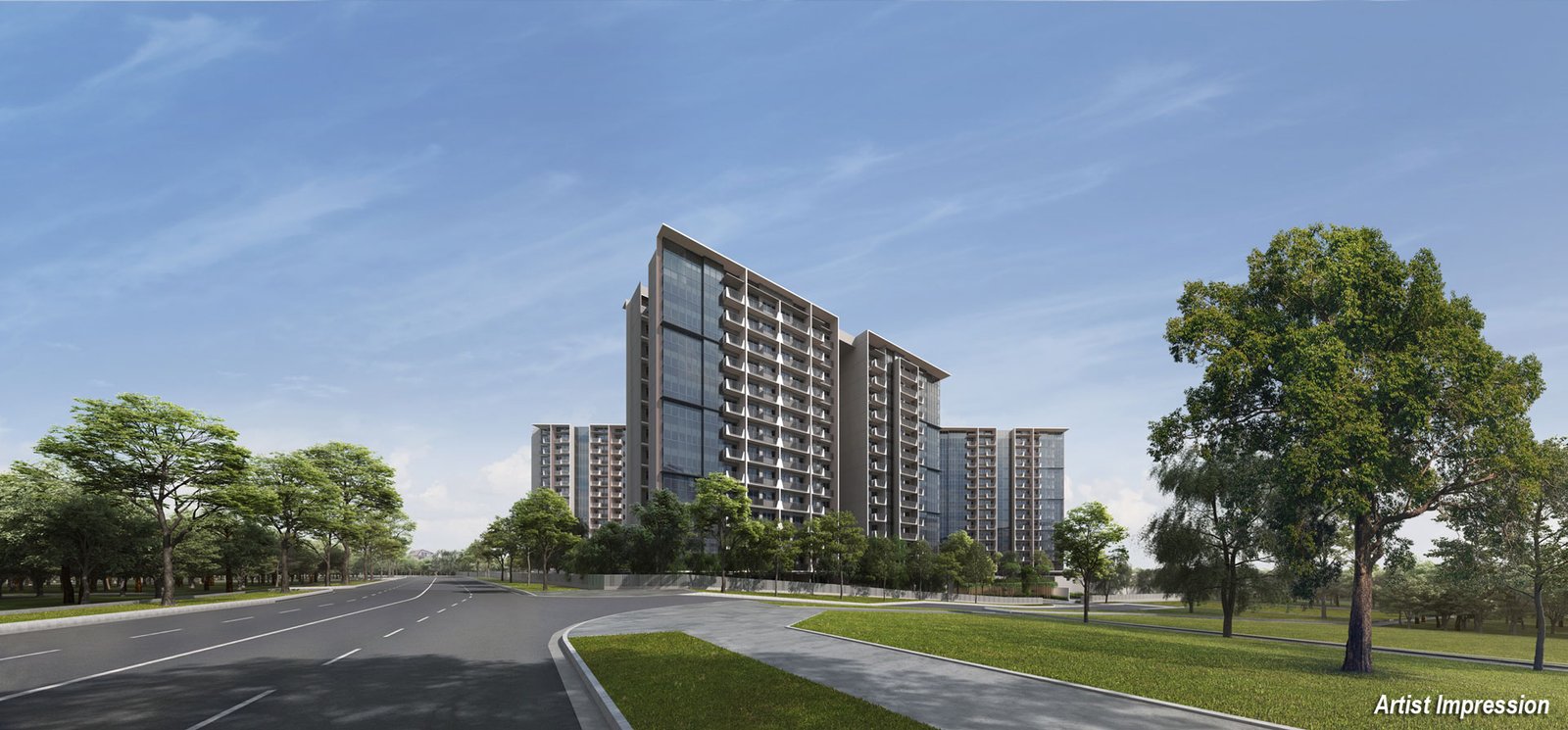
Today, a new generation of residential communities is emerging across Singapore. These developments focus not only on providing housing but also on delivering a balanced lifestyle that integrates nature, modern design, and convenient urban infrastructure. Often referred to as “garden residences,” these communities blend greenery with contemporary architecture to create environments where residents can enjoy both comfort and connectivity.
Shifting Priorities in Modern Housing
The expectations of homeowners and residents have changed significantly over the past decade. While location and accessibility remain important, people are increasingly seeking homes that provide a holistic living experience. Modern residential developments are therefore designed to address lifestyle needs, environmental concerns, and long-term sustainability.
Developers are incorporating energy-efficient building techniques, natural ventilation systems, and eco-conscious materials into their projects. These features not only reduce environmental impact but also enhance indoor comfort and lower utility costs for residents.
Another key shift is the emphasis on wellness-oriented design. Natural lighting, open living spaces, and access to outdoor environments are becoming essential elements in residential planning. By prioritizing health and comfort, developers are creating homes that support a more balanced and enjoyable lifestyle.
Blending Nature with Urban Living
One of the defining characteristics of Singapore’s residential development strategy is the integration of greenery into urban environments. The city’s long-term vision of becoming a “City in Nature” has influenced many modern housing projects, resulting in developments that incorporate abundant natural elements.
New residential communities often feature landscaped gardens, tree-lined pathways, rooftop greenery, and tranquil water features. These spaces are carefully designed to offer residents moments of relaxation within an otherwise fast-paced urban environment.
In addition to enhancing aesthetics, green spaces also contribute to improved air quality and reduced urban heat. Access to nature has been shown to improve mental health, encourage physical activity, and foster stronger social connections within communities.
As a result, many modern residential projects are embracing the concept of garden living—an approach that combines natural landscapes with contemporary architecture to create harmonious living spaces.
Smart Architecture and Contemporary Design
Beyond greenery, modern residential developments are also defined by their smart architectural design. Efficient layouts, flexible living spaces, and innovative construction techniques allow developers to maximize comfort while optimizing available land.
Apartments today often feature open-plan layouts that allow natural light to flow through living areas, creating brighter and more spacious environments. Balconies, large windows, and cross-ventilation designs further enhance the connection between indoor and outdoor spaces.
Technology is also playing an increasingly important role in residential living. Smart home features such as digital security systems, automated lighting, and energy management tools allow residents to manage their homes more efficiently.
For those interested in exploring how these modern concepts are implemented in real-world developments, visiting the Lentor Gardens Residences Showflat provides insight into how contemporary design and garden-inspired living can come together to create comfortable residential environments.
The Role of Planned Communities in Urban Comfort
Modern residential projects in Singapore are increasingly designed as integrated communities rather than isolated housing complexes. Urban planners and developers recognize that residents benefit greatly from having access to essential services and recreational facilities within their neighborhoods.
Planned communities often include a mix of residential units, retail spaces, recreational facilities, and transportation access. This integrated approach ensures that residents can enjoy convenience and accessibility without needing to travel far for everyday activities.
Proximity to MRT stations and major road networks also improves connectivity, allowing residents to commute efficiently across the city. At the same time, pedestrian-friendly pathways and cycling routes encourage sustainable modes of transportation.
Community-oriented design further enhances the appeal of these developments. Shared facilities such as swimming pools, fitness centers, community gardens, and social lounges provide opportunities for residents to interact and build stronger neighborhood connections.
Emerging Residential Districts Shaping the Future
Singapore continues to invest in new residential districts that reflect the country’s long-term urban planning vision. These emerging neighborhoods are designed with sustainability, connectivity, and lifestyle convenience in mind.
Many of these developments incorporate advanced infrastructure, smart city technologies, and eco-friendly planning strategies. Features such as car-lite transportation systems, integrated parks, and energy-efficient buildings are becoming common in these newly planned areas.
For individuals interested in understanding how these modern residential concepts are being implemented in practice, developments like the Tengah Garden Residences Showflat offer an opportunity to explore how planners and developers are shaping the next generation of sustainable communities.
These projects reflect Singapore’s commitment to building neighborhoods that support both environmental responsibility and high-quality urban living.
Lifestyle Amenities and Community Well-Being
In addition to architecture and infrastructure, modern residential developments place strong emphasis on lifestyle amenities that enhance daily living. Developers are increasingly including facilities designed to promote health, recreation, and social engagement.
Swimming pools, jogging tracks, yoga decks, and fitness centers encourage residents to maintain active lifestyles. Landscaped gardens and relaxation areas provide spaces for quiet reflection and leisure.
Looking Ahead: The Future of Garden Residences
As Singapore continues to grow and evolve, the concept of garden residences is expected to play an increasingly important role in the city’s housing landscape. Future developments will likely focus even more on sustainability, technological integration, and lifestyle-focused design.
Urban planners are also exploring ways to further integrate renewable energy, smart infrastructure, and climate-resilient architecture into residential projects. These innovations will help ensure that future housing developments remain adaptable and environmentally responsible.
By combining thoughtful planning with innovative design, Singapore continues to demonstrate how cities can create modern living environments that prioritize both comfort and sustainability.
Conclusion
Singapore’s new generation of garden residences represents a significant step forward in the evolution of urban housing. By blending natural landscapes, modern architecture, and community-focused planning, these developments provide residents with a balanced lifestyle that reflects the needs of contemporary city living.
As the demand for sustainable and well-designed housing continues to grow, Singapore’s residential sector is likely to remain a global example of how urban development can successfully combine innovation, livability, and environmental responsibility.


