Sodiceram: Understanding Ceramic Innovation and Modern Applications
In recent years, Sodiceram has become a prominent name in the world of ceramics, known for its innovative materials, modern designs, and wide range of applications. Whether you are a homeowner looking for durable tiles, an architect designing high-end interiors, or a manufacturer exploring advanced ceramic technologies, understanding what Sodiceram offers is essential. This article explores the concept, development, uses, and significance of Sodiceram with deep insights that align with modern user intent and the latest Google Helpful Content guidelines.
What Is Sodiceram?
Sodiceram refers to a brand and process associated with high-quality ceramic production, focusing on durability, sustainability, and design precision. The term often represents both a product line and an approach that integrates modern ceramic technology with aesthetic innovation.
Unlike traditional ceramics that focus mainly on appearance, Sodiceram combines technical engineering with artistic excellence. The result is ceramic material that performs well in both residential and industrial contexts.
How Sodiceram Differs from Traditional Ceramics
Traditional ceramics rely on age-old firing methods and basic clay compositions. Sodiceram, however, uses advanced manufacturing techniques such as digital glazing, temperature-controlled firing, and fine-particle ceramic blends. This modern process allows for:
- Enhanced strength and density
- Resistance to moisture and stains
- Color stability over years of use
- Low-maintenance surfaces
While traditional tiles may fade or crack over time, Sodiceram materials retain their finish even in high-traffic environments.
The Technology Behind Sodiceram
The foundation of Sodiceram’s innovation lies in its smart material engineering. Using advanced clay and silica compositions, Sodiceram products undergo multiple stages of refinement.
- Material Selection: Only high-grade natural minerals are chosen.
- Powder Processing: Raw materials are finely ground to achieve uniform consistency.
- Pressing and Molding: Automated systems ensure precise thickness and density.
- Digital Printing: Designs are created using state-of-the-art inkjet technology.
- High-Temperature Firing: Kilns operate at up to 1200°C for optimal hardness.
This process ensures that every Sodiceram product maintains consistency, texture, and durability while reducing environmental impact through energy-efficient methods.
Applications of Sodiceram in Modern Spaces
Sodiceram’s adaptability makes it suitable for a variety of applications:
- Residential Use: Kitchens, bathrooms, and living rooms where style meets functionality.
- Commercial Use: Offices, hotels, and retail stores that demand elegance and durability.
- Outdoor Use: Weather-resistant tiles for patios, pool areas, and walkways.
- Industrial Use: Technical ceramics used in equipment, machinery, and laboratory setups.
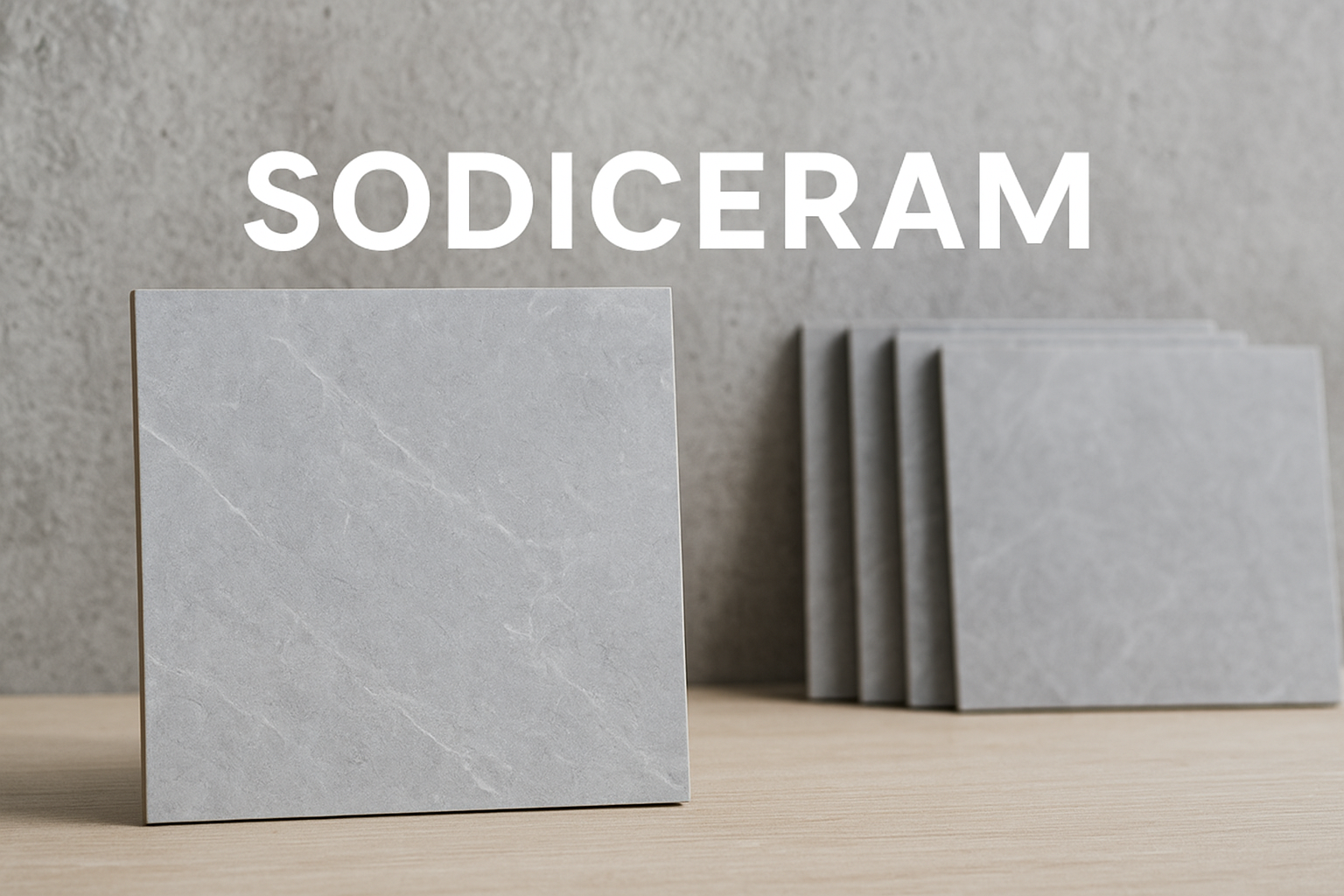
What sets Sodiceram apart is its versatility—from glossy marble-like finishes to minimalist matte textures, there’s a design for every architectural vision.
Key Benefits of Using Sodiceram
- Durability and Longevity – The high-density surface resists scratches and cracking.
- Aesthetic Appeal – Designs mimic natural stones, wood, or abstract patterns.
- Eco-Friendly Manufacturing – Reduced waste and emissions during production.
- Low Maintenance – Easy to clean and resistant to mold or stains.
- Cost-Effective Over Time – Longer lifespan lowers replacement costs.
Sodiceram products are ideal for modern consumers seeking a balance between sustainability and luxury.
Sodiceram and Sustainable Design
Sustainability is one of the defining principles behind Sodiceram’s production. Manufacturers emphasize energy-efficient kilns, water recycling, and eco-friendly raw materials. Unlike many conventional tile producers, Sodiceram’s approach reduces waste and utilizes closed-loop recycling systems within production facilities.
The company also focuses on long-term sustainability through durable materials that reduce the need for frequent replacements—minimizing overall environmental footprint.
Challenges in Ceramic Manufacturing and How Sodiceram Overcomes Them
Ceramic production faces challenges like:
- Energy-intensive processes
- Material wastage
- Color inconsistencies
- Fragility during transportation
Sodiceram has developed solutions for each:
- High-efficiency kilns cut energy use by 20–30%.
- Automated sorting systems minimize defects.
- Improved packaging technologies reduce breakage during shipping.
- Precision control systems ensure design and color uniformity.
These innovations demonstrate how Sodiceram integrates technology and environmental responsibility effectively.
Real-World Experience: Why Professionals Prefer Sodiceram
As an interior designer who has worked with multiple ceramic brands, I’ve found Sodiceram’s balance between technical quality and design flexibility unmatched. Clients often comment on the smooth texture and rich detail that make even small spaces appear refined.
For large-scale projects, contractors appreciate that Sodiceram tiles maintain consistency across batches—something that’s crucial for high-end builds. From personal experience, Sodiceram stands as a reliable choice when quality and visual harmony are top priorities.
Sodiceram’s Role in the Global Ceramic Market
Globally, the ceramic industry is valued at over USD 70 billion, and Sodiceram plays a significant role within this ecosystem. The brand’s focus on technological integration and custom design aligns with current architectural trends emphasizing modern minimalism and sustainability.
With a growing demand for eco-conscious materials, Sodiceram’s presence continues to expand in both residential and commercial sectors, especially in markets across Europe and Asia.
Maintaining and Caring for Sodiceram Products
Proper maintenance extends the life and appearance of Sodiceram surfaces. Here’s a simple care guide:
- Regular Cleaning: Use pH-neutral cleaners to maintain surface shine.
- Avoid Harsh Chemicals: Acidic solutions can dull the finish.
- Seal Joints Correctly: Use professional-grade grout to prevent moisture seepage.
- Wipe Spills Quickly: Especially for kitchen and bathroom installations.
With basic upkeep, Sodiceram surfaces can last for decades while maintaining their elegance.
Future Innovations in Sodiceram Technology
The future of Sodiceram lies in smart ceramics—materials capable of regulating temperature, improving sound insulation, and offering anti-bacterial properties.
Researchers are also exploring 3D printing integration, allowing custom designs with precision manufacturing. As architectural design evolves, Sodiceram’s innovation pipeline ensures it remains at the forefront of modern ceramic technology.
Common Myths About Sodiceram
- Myth: Sodiceram is too expensive.
Fact: While the upfront cost is higher than traditional tiles, its durability reduces long-term expenses. - Myth: Ceramic tiles can’t mimic natural textures.
Fact: Sodiceram uses high-definition digital printing for realistic finishes. - Myth: Ceramics are not sustainable.
Fact: Sodiceram incorporates recyclable materials and eco-friendly production methods.
Dispelling these myths helps users make informed decisions about ceramic choices.
Frequently Asked Questions (FAQs)
Q1: What makes Sodiceram different from standard ceramic tiles?
Sodiceram tiles are engineered using advanced technology for superior durability, design accuracy, and sustainability compared to traditional ceramics.
Q2: Can Sodiceram be used for outdoor installations?
Yes, its moisture-resistant and non-slip variants are ideal for outdoor applications like patios and walkways.
Q3: How long do Sodiceram products typically last?
With proper care, Sodiceram materials can last for decades without losing their visual or structural integrity.
Q4: Is Sodiceram eco-friendly?
Absolutely. Sodiceram’s production process prioritizes water recycling, energy efficiency, and minimal emissions.
Q5: Does Sodiceram require special maintenance?
No. Basic cleaning with mild soap and regular wiping is enough to maintain its finish and appearance.
Q6: Can Sodiceram designs be customized?
Yes, Sodiceram’s digital printing technology allows personalized patterns and finishes based on client preferences.
Conclusion
Sodiceram represents the future of ceramic innovation—where sustainability meets modern craftsmanship. Its advanced technology, wide usability, and refined aesthetic make it a go-to choice for architects, builders, and homeowners alike. Whether you’re upgrading your home or planning a large-scale construction project, Sodiceram provides a perfect balance between performance and design excellence.