бишкоти ди прато: History, Taste, and Modern Relevance
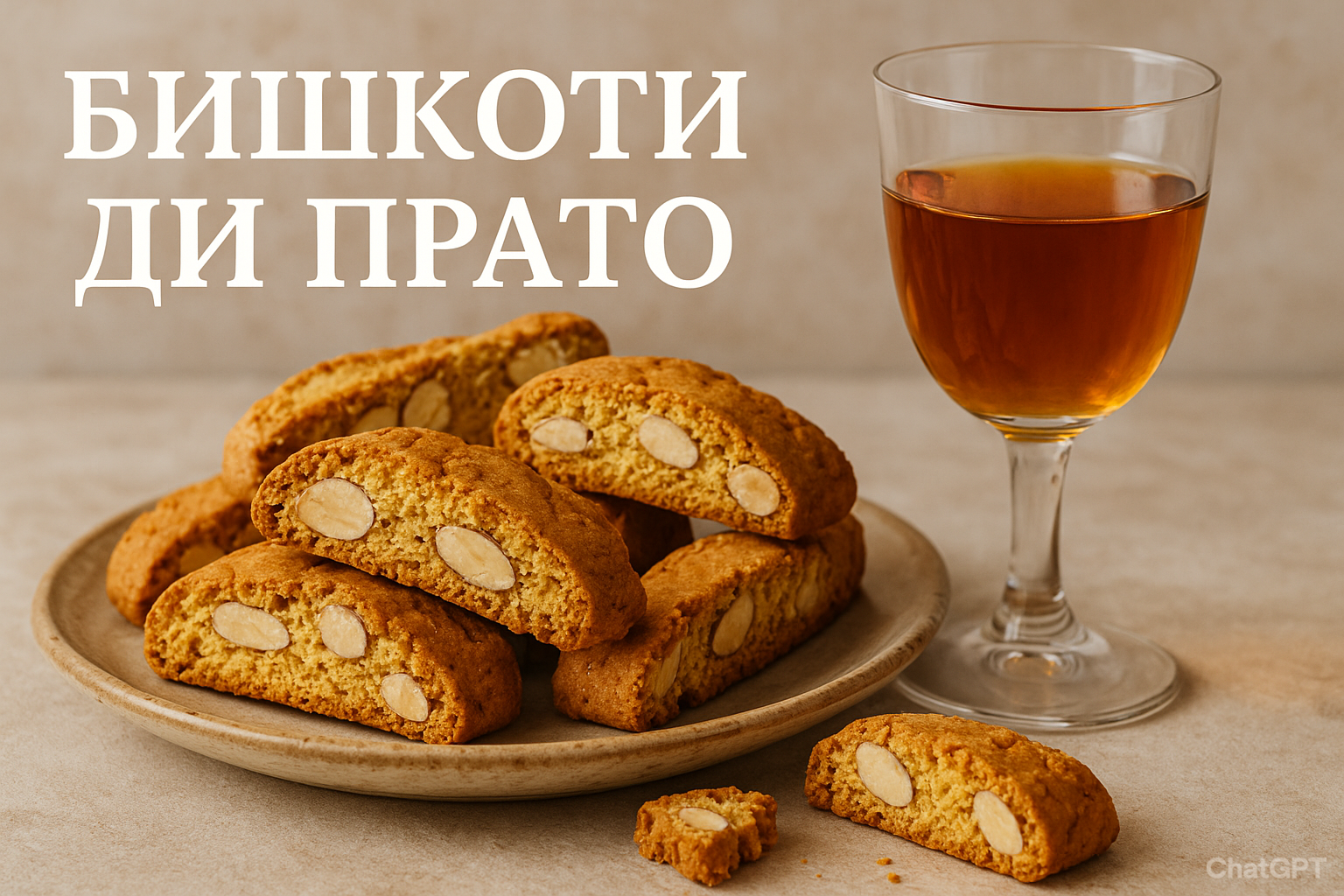
When people talk about authentic Italian sweets, бишкоти ди прато often stands at the center of attention. This Tuscan delight, with its golden crisp texture and unmistakable flavor of roasted almonds, is more than just a cookie. It is a cultural heritage, a tradition passed down for centuries, and a culinary experience enjoyed with a glass of Vin Santo. What seems like a simple biscuit at first glance actually carries layers of history, symbolism, and versatility that extend far beyond its origins in the small town of Prato.
In this article, we will explore the roots of бишкоти ди прато, its preparation methods, the reasons behind its global appeal, and how it continues to play a role in both traditional and modern kitchens.
What is бишкоти ди прато?
Бишкоти ди прато is a type of twice-baked Italian biscuit, known in Italy as cantucci or cantuccini. The dough is first baked in a loaf shape, sliced while still warm, and then baked again until it reaches its signature crunch. This double-baking technique is what sets it apart from ordinary cookies, giving it a dry yet flavorful consistency that pairs perfectly with dessert wines, coffee, or even tea.
The classic recipe usually includes flour, sugar, eggs, and whole almonds. Unlike softer cookies, бишкоти ди прато is intentionally firm, designed to be dipped before eating. This characteristic is not just practical but deeply tied to Tuscan dining culture.
Historical Roots of бишкоти ди прато
The origins of бишкоти ди прато trace back to the city of Prato in Tuscany. Historical documents suggest that recipes resembling it were already circulating in the 17th century. Initially, however, the biscuits were simpler — often made only with flour and water. Sugar and almonds were luxury ingredients at the time, gradually introduced as the recipe evolved.
By the 19th century, the almond-rich version became the standard and was recognized as a Tuscan specialty. Since then, бишкоти ди прато has been exported globally, gaining recognition as a symbol of Italian craftsmanship and tradition.
Culinary Characteristics
To understand why бишкоти ди прато has become so iconic, here are its key features:
- Double baking process – provides crunchiness and long shelf life.
- Whole almonds – create a nutty richness that defines its flavor.
- Golden-brown color – achieved by careful oven timing, not artificial ingredients.
- Pairing tradition – usually enjoyed with Vin Santo, but also served with coffee worldwide.
Its practicality also made it a favorite among merchants and travelers in history, as it could last for weeks without losing its texture.
Why People Love бишкоти ди прато
The popularity of this biscuit is not only about taste but also about the entire experience surrounding it.
- Cultural identity: For Italians, especially Tuscans, it represents heritage.
- Versatility: Can be eaten plain, dipped in sweet wine, or paired with modern desserts.
- Simplicity of ingredients: No artificial additives, just natural products.
- Symbol of hospitality: Often offered to guests as a gesture of warmth.
These aspects explain why the biscuit has remained relevant despite changing food trends.
Modern Adaptations
While the traditional version remains the gold standard, modern bakers have experimented with variations to suit contemporary tastes:
- Adding pistachios, hazelnuts, or dried fruits.
- Incorporating chocolate chips for a sweeter twist.
- Offering gluten-free or vegan options without compromising crunch.
These innovations prove that while rooted in history, бишкоти ди прато adapts seamlessly to today’s diverse dietary needs.
Challenges in Baking бишкоти ди прато
Recreating this biscuit at home is rewarding but not without challenges:
- Balancing texture – too short a bake makes it soft, too long makes it overly hard.
- Cutting the loaf – it must be sliced while still warm to prevent crumbling.
- Ingredient quality – almonds and flour must be of high grade for authentic flavor.
Professional bakers in Tuscany emphasize that the true secret lies in respecting tradition while mastering these fine details.
Nutritional Value
Though often enjoyed as a treat, бишкоти ди прато has some nutritional benefits thanks to almonds.
- Almonds provide healthy fats, protein, and vitamin E.
- Being baked without butter or oil in the classic recipe makes it lighter than many cookies.
- Portion control is key, as sugar content is still present.
For health-conscious consumers, it can be a guilt-free indulgence when eaten in moderation.
Global Appeal
From Tuscany to New York, from Paris to Tokyo, бишкоти ди прато has become a global ambassador of Italian food culture. Restaurants, cafes, and gourmet shops proudly serve it as part of their dessert menus. Its long shelf life also makes it a popular gift item, often packed in elegant boxes that highlight its authenticity.
Food historians even note that it has inspired variations in other countries, though the original from Prato continues to hold the highest reputation.
How to Enjoy бишкоти ди прато at Home
If you’re new to this Tuscan specialty, here are the best ways to enjoy it:
- Dip it in Vin Santo, the traditional Italian dessert wine.
- Pair it with espresso or cappuccino for a quick Italian-style snack.
- Serve it with gelato or panna cotta for a modern dessert twist.
- Use crushed бишкоти ди прато as a base for cheesecakes or layered desserts.
These practices show its adaptability across both traditional and contemporary dining tables.
FAQs about бишкоти ди прато
- Is бишкоти ди прато the same as cantuccini?
Yes, cantuccini is the Italian word for these twice-baked biscuits. In Tuscany, they are often simply called cantucci. - Why is it so hard compared to regular cookies?
Because it is baked twice, which removes moisture and creates a firm texture intended for dipping. - Can I make it without almonds?
Traditionally, almonds are essential, but modern recipes allow pistachios, hazelnuts, or even chocolate. - How long does бишкоти ди прато last?
If stored in an airtight container, it can stay fresh for 2–3 weeks without losing its crunch. - Is it healthy to eat often?
It can be enjoyed in moderation, especially since almonds are nutritious, but the sugar content means it should remain an occasional treat.
Conclusion
Бишкоти ди прато is more than just a biscuit; it is a story baked into every slice — a story of Tuscany, of tradition, and of timeless flavors. Its journey from the ovens of Prato to the tables of the world shows how simple ingredients, when prepared with care and heritage, can become a culinary treasure. For anyone who values authenticity, culture, and taste, бишкоти ди прато remains an essential experience in the world of Italian gastronomy.